PROCESS & OPERATING PHILOSOPHY
Absorption, rich-amine flash, filtration, heat exchange and regeneration. The operating sequence, recycle paths, start-up/shutdown cases and normal/turndown behavior are defined before equipment finalization.

Removal of H₂S and selected acid gases from refinery fuel gas and process streams.
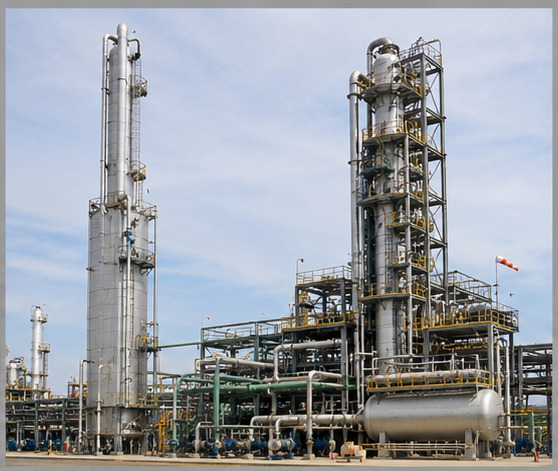
Absorption, rich-amine flash, filtration, heat exchange and regeneration. The operating sequence, recycle paths, start-up/shutdown cases and normal/turndown behavior are defined before equipment finalization.
Absorber, regenerator, reboiler, condensers, filters, pumps and reclaiming interface. Materials, design margins, maintainability, isolation, access, lifting and spare philosophy are coordinated with the approved operating cases.
Feed assay/composition, design capacity, operating pressure and temperature, product specifications, turndown, utilities, battery limits and site ambient conditions.
Solvent selection, circulation/energy balance, corrosion review, PFD/P&ID and control narrative. The package also includes line/equipment lists, relief and utility summaries, layouts or 3D interfaces, vendor-document requirements, inspection plans and commissioning inputs as applicable.
DCS regulatory control, critical interlocks, relief and depressuring, gas/fire detection, hazardous-area classification, HAZOP actions and applicable SIS/ESD functions.
Refineries, gas plants, hydrogen units and sulfur-recovery integration. Capacity, product quality, consumption and emissions commitments are confirmed only after the representative feed and project Design Basis are approved.
ASME, API, NACE and project corrosion/material standards. The contractual code basis is selected by destination and client specification. ASME/API/TEMA, EN/DIN and GOST/EAC requirements are not mixed without an approved code-equivalency and authority review.
ASME, API, NACE and project corrosion/material standards.